Evaluating KDP Lined Journal 29 for Low Content Publishing
For publishers managing a portfolio of low-content books on Amazon, the efficiency of interior design often dictates profitability. KDP Lined Journal 29 represents a specific tier of pre-formatted assets designed to streamline the production phase without sacrificing technical compliance. This resource is not merely a collection of lines; it is a production-ready template configured with precise bleed settings, standard trim dimensions, and high-resolution output standards that address the most common rejection triggers in self-publishing. Understanding the practical application of this asset requires looking beyond its simplicity to evaluate how it integrates into a professional publishing workflow.
Technical Specifications and Print Compliance
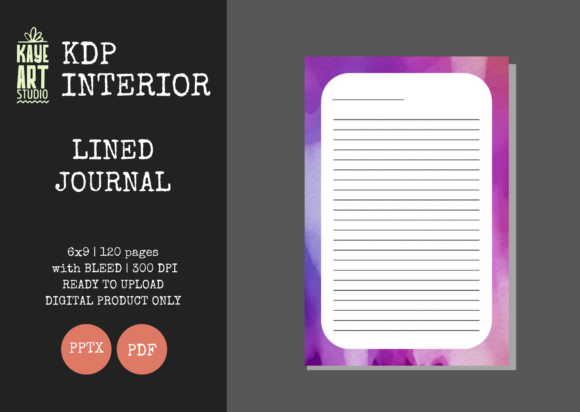
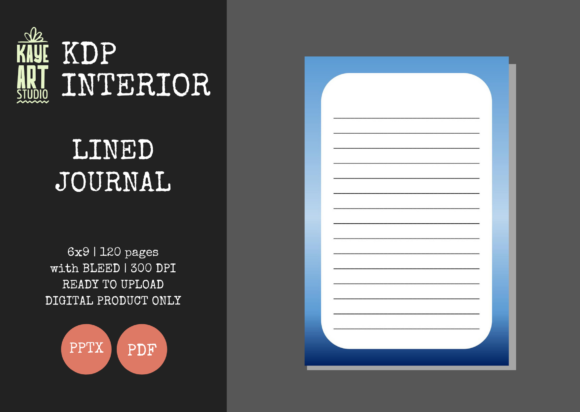
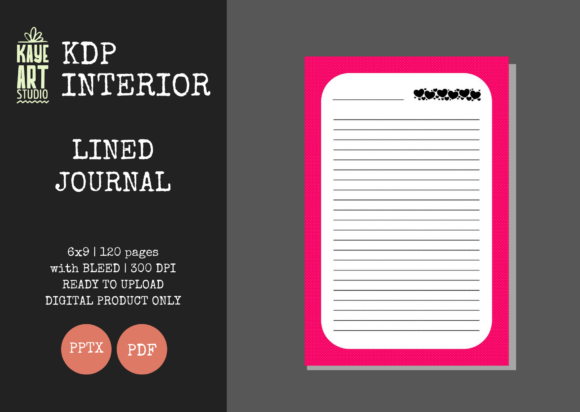
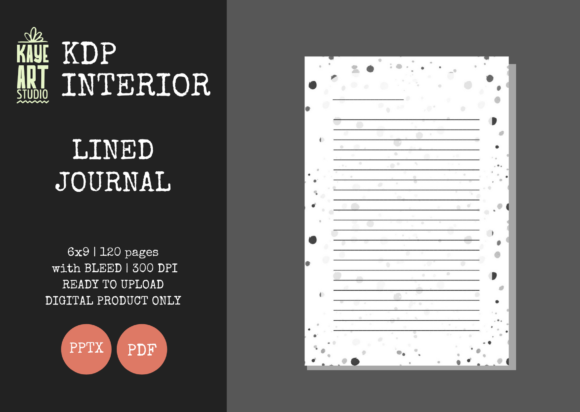
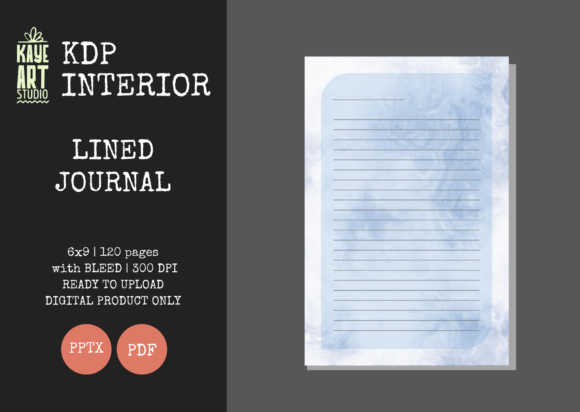
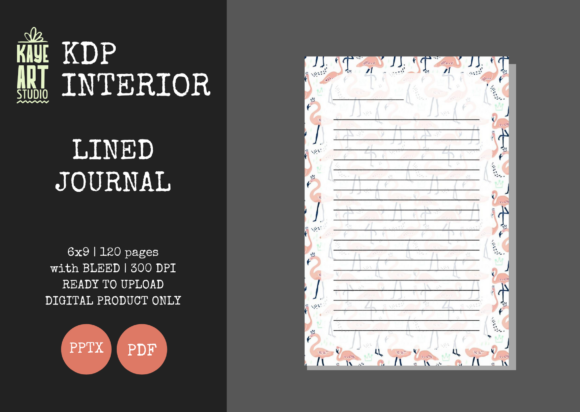
The primary value proposition of KDP Lined Journal 29 lies in its adherence to strict printing specifications. Many creators face frustration when manuscripts are flagged for margin errors or resolution issues during the upload process. This template eliminates much of that friction through pre-configured parameters. The 6×9 inch trim size is the industry standard for trade journals, offering a balance between portability and writing space that appeals to a broad demographic. More importantly, the file includes correct bleed settings. When utilizing lined interiors that extend to the edge of the page, selecting "Bleed" during the KDP upload is mandatory. This template accounts for the necessary 0.125-inch extension beyond the trim line, ensuring that no white borders appear after cutting.
Resolution is another critical factor in perceived quality. At 300 DPI, the lines in KDP Lined Journal 29 render crisply on both cream and white paper stocks. Lower resolution files often result in pixelated or jagged lines that degrade the user experience and invite negative reviews. By maintaining high fidelity, this interior supports a premium presentation even within the competitive low-content category. The 120-page count serves as a strategic sweet spot; it provides sufficient utility for daily journaling while keeping printing costs low enough to maintain healthy royalty margins at standard price points.
File Format Flexibility and Workflow Integration
A distinct advantage of this package is the inclusion of both PDF and PPTX formats. While the PDF is ready for immediate upload, the editable PowerPoint file offers significant operational flexibility. For publishers who wish to differentiate their products, the PPTX format allows for non-destructive editing. You can adjust line spacing, add subtle watermarks, insert motivational quotes at intervals, or modify header and footer elements without needing advanced graphic design software like Adobe InDesign.
This editability transforms a static asset into a foundational element for brand building. Rather than publishing identical interiors across multiple niches, you can use KDP Lined Journal 29 as a base to create variations tailored to specific audiences, such as nurses, teachers, or fitness enthusiasts. The ability to customize ensures that your catalog remains diverse and responsive to market trends without requiring ground-up design work for every new title. However, users should exercise caution when editing; always verify that modifications do not push content outside the safe zone or alter the bleed margins inadvertently.
Strategic Application in Low-Content Portfolios
KDP Lined Journal 29 is best utilized as part of a volume-based strategy where speed and consistency are paramount. For entrepreneurs and freelancers building a passive income stream, the time saved on formatting translates directly to more listings or more time spent on keyword research and marketing. The reliability of the tested files means less time troubleshooting and more time scaling. This interior is particularly effective for niches where functionality outweighs aesthetic novelty, such as academic note-taking, gratitude journaling, or professional logbooks.
Real-world performance suggests that standardized interiors like this one convert well when paired with high-quality, niche-specific covers. Since this listing provides the interior only, the burden of differentiation falls entirely on cover design and metadata. Publishers should view this template as a canvas rather than a finished product. Its neutrality is a strength, allowing it to adapt to various themes without clashing with external branding. Consistency in interior quality also helps build trust with repeat customers who may purchase multiple journals from your imprint.
Audience Fit and Practical Limitations
While versatile, KDP Lined Journal 29 is not universally applicable. It is optimized for creators who understand the fundamentals of KDP publishing and need reliable infrastructure. Beginners may appreciate the plug-and-play nature of the PDF, but intermediate and advanced publishers will derive greater value from the customization potential of the PPTX file. Educators and small business owners creating branded merchandise or organizational tools will find the clean, professional layout suitable for internal distribution or retail sales.
It is important to acknowledge limitations. As a standard lined journal, it lacks specialized features like dot grids, prompts, or trackers. If your target niche demands structured guidance, this plain interior may result in lower conversion rates compared to more tailored alternatives. Additionally, because this is a popular specification, competition in generic lined journal categories is intense. Success depends heavily on identifying underserved micro-niches where a standard lined format still meets user needs but faces less saturation. Users must also remember to create their own covers; relying on generic cover templates alongside this interior can lead to a commoditized product that struggles to gain visibility.
Quality Assurance and Upload Best Practices
To maximize the effectiveness of KDP Lined Journal 29, publishers should implement a rigorous quality assurance checklist before uploading. Even though the files are tested, individual system configurations or accidental edits can introduce errors. Always open the final PDF in a dedicated viewer to check for unintended artifacts or font substitution issues. Verify the page count matches your cover spine width calculation exactly; a discrepancy here is a frequent cause of printing delays.
- Select Bleed Correctly: During the KDP setup wizard, you must explicitly choose the "Bleed" option. Failing to do so will result in the platform shrinking your content to fit within no-bleed margins, ruining the layout.
- Cover Alignment: Ensure your cover file accounts for the 120-page thickness. Use KDP’s cover calculator to generate a template that matches this specific interior’s spine width.
- Test Prints: Before launching, order a physical proof. Screen previews cannot accurately represent paper opacity or line darkness. A test print confirms that the 300 DPI resolution translates well to the chosen paper type.
- Metadata Consistency: Align your backend keywords and description with the actual utility of a standard lined journal. Avoid misleading terms that suggest prompts or specialized layouts if the interior is purely ruled lines.
Long-Term Value and Portfolio Management
In the context of long-term business sustainability, assets like KDP Lined Journal 29 serve as stabilizers. Trends in journal aesthetics shift frequently, but the demand for clean, functional writing space remains constant. Maintaining a core inventory of reliable, high-quality standard interiors allows publishers to weather market fluctuations. When combined with seasonal or trend-responsive covers, these evergreen interiors provide a steady baseline of sales activity.
Furthermore, the professional presentation facilitated by proper bleed and resolution contributes to account health. Amazon’s algorithms favor listings with low return rates and positive customer feedback. Technical defects are a leading cause of dissatisfaction in low-content books. By using verified, high-specification templates, publishers reduce the risk of quality-related returns and protect their seller reputation. This reliability makes KDP Lined Journal 29 a pragmatic investment for serious creators who prioritize sustainable growth over quick, low-quality wins.
Ultimately, the decision to incorporate this template should be based on workflow efficiency and niche requirements. It excels as a dependable foundation for professionals seeking to scale production without compromising on print standards. While it does not replace the need for creative cover design or strategic marketing, it effectively solves the technical challenges of interior formatting. For those committed to building a reputable low-content publishing business, having a trusted, editable, and compliant lined journal template in reserve is a practical necessity that supports both current operations and future expansion.