Grocery List Meal Planner: Versatile KDP Interior
Creating a successful low-content or medium-content book on Amazon KDP often comes down to the quality and utility of the interior. For publishers targeting the health, wellness, and organization niche, a dedicated Grocery List Meal Planner serves as an evergreen staple. This specific resource is designed to bridge the gap between abstract meal planning concepts and the tangible act of shopping, providing users with a structured system to reduce food waste, save money, and maintain dietary goals. Unlike generic notebooks, this planner offers a purposeful layout that guides the user through the weekly logistics of feeding themselves or their families.
The true value of this asset lies in its flexibility for creators. Whether you are building a comprehensive wellness journal, a standalone meal prep guide, or a bundle of household organizers, this interior provides the functional backbone necessary for customer satisfaction. It moves beyond simple lined paper to offer a curated user experience that solves a specific daily friction point.
Core Features and Technical Specifications
When evaluating digital assets for publishing, technical readiness is just as important as aesthetic appeal. This Grocery List Meal Planner package is engineered for immediate deployment or seamless integration into larger projects. The inclusion of multiple file formats ensures that you are not locked into a single workflow or platform limitation.
- Editable Source File (EPS): This is the most critical component for serious publishers. The EPS format allows you to modify text, adjust line weights, change fonts, or alter the layout structure using vector software like Adobe Illustrator or Affinity Designer. This capability transforms a static template into a proprietary product that matches your unique brand identity.
- High-Quality JPG File: Ideal for creating marketing mockups, social media previews, or A+ Content images. Having a high-resolution raster version saves time when you need to visualize the interior without opening heavy vector files.
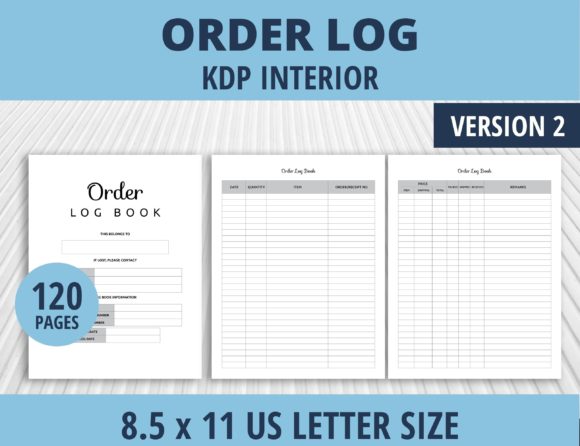
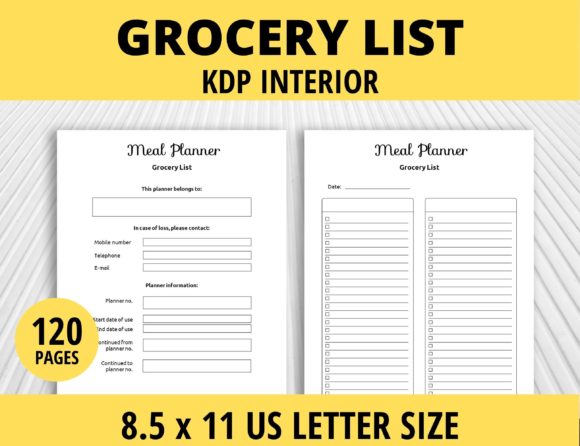
- Print-Ready PDF (120 Pages): At 8.5 x 11 inches, this file is formatted for standard letter-size printing. The 120-page count provides substantial content for a premium-priced paperback while remaining lightweight enough for everyday carry.
- Resizable Vector Assets: Because the source is vector-based, you can resize the planner to fit popular trim sizes such as 6x9, 7x10, or A5 without losing crispness or resolution. This scalability is essential for testing different market segments or creating series variations.
Practical Applications for Publishers and Creators
The versatility of this Grocery List Meal Planner extends far beyond a single standalone title. Experienced KDP publishers understand that bundling and repurposing are key strategies for maximizing return on investment. Here is how this interior functions across different publishing models:
Standalone Functional Journals
As a primary product, this planner targets users who want a dedicated tool solely for kitchen logistics. The 120 pages allow for roughly six months of weekly tracking or a full year if used bi-weekly. In this context, the focus should be on clear, readable typography and ample writing space. Users in this segment prioritize function over decoration, so keeping the design clean and uncluttered is often more effective than adding excessive graphics.
Integrated Wellness and Fitness Books
Nutrition is inseparable from fitness. If you publish workout logs, weight loss trackers, or holistic health journals, integrating this grocery list section adds immense perceived value. Instead of forcing readers to buy a separate notebook, you provide a complete ecosystem. You might place these pages at the end of a fitness tracker as a "Nutrition Appendix" or intersperse them throughout a 90-day challenge book to reinforce habit formation.
Educational and Family Resources
For educators teaching home economics, nutritionists working with clients, or parents managing household budgets, this planner serves as a practical teaching aid. The structured layout helps beginners learn how to categorize foods, plan balanced meals, and estimate quantities. Customizing the EPS file to include educational tips, serving size guides, or seasonal produce charts can turn a standard planner into a specialized educational resource.
Enhancing User Experience Through Design
In the saturated KDP marketplace, user experience (UX) dictates reviews and sales velocity. A Grocery List Meal Planner must be intuitive. When utilizing the editable source file, consider how small design adjustments can significantly improve usability.
Categorization Logic: Ensure the grocery list section follows the natural flow of a supermarket layout (Produce, Dairy, Meat, Pantry, Frozen). This seemingly minor detail saves users time during shopping trips and demonstrates that the creator understands their actual needs. Generic alphabetical lists are less functional than category-based layouts.
Writing Space and Binding Margins: Always account for the gutter margin, especially in an 8.5 x 11 format. If resizing to a smaller trim size like 6x9, verify that the inner margin remains sufficient for comfortable writing near the spine. Adequate white space prevents the page from feeling cramped and encourages consistent use.
Dual-Purpose Layouts: Consider pairing the grocery list directly with the weekly meal calendar on the same spread. Reducing page flipping improves adherence. Left-hand pages for planning and right-hand pages for shopping lists create a cohesive weekly view that enhances the overall utility of the book.
Strategic Considerations for Implementation
Before uploading, take time to evaluate how this asset fits your broader catalog strategy. While the ready-to-use PDF offers speed, the long-term value comes from customization.
- Brand Consistency: Use the EPS file to update headers, footers, and logos to match your existing series. Visual consistency builds brand recognition and encourages customers to collect multiple titles from your portfolio.
- Niche Differentiation: Modify the planner for specific dietary needs. Adding checkboxes for gluten-free, vegan, keto, or allergen-friendly options can help you rank for long-tail keywords that generic planners miss. The editable nature of the file makes this adaptation straightforward.
- Quality Assurance: Always order a physical proof after resizing or editing. Screen calibration differs from print output, and line weights that look perfect digitally may print too faint or too heavy. Verify that the paper opacity at 120 pages is sufficient for the pens your target audience typically uses.
- Marketing Alignment: Highlight the specific features of this planner in your book description and A+ Content. Mention the 120-page capacity, the organized categories, and any customizations you have added. Customers are searching for solutions to meal planning chaos; clearly articulate how this specific interior resolves that pain point.
Maximizing Commercial Viability
The commercial success of a Grocery List Meal Planner depends on positioning it as a productivity tool rather than just a notebook. Professionals, busy parents, and health-conscious individuals view meal planning as a time-management strategy. Your metadata, cover design, and interior should reflect this professional utility.
Consider creating seasonal variations using the same base EPS file. A "Summer Fresh" edition with lighter fonts and produce-focused categories can coexist with a "Winter Comfort" version featuring heartier meal sections. This approach allows you to refresh your catalog without designing new interiors from scratch. The resizable vector assets make adapting covers and interiors for seasonal trends efficient and cost-effective.
Ultimately, this asset provides a solid foundation for both new and established publishers. By leveraging the editable source files and understanding the practical applications across personal and commercial environments, you can create a product that genuinely serves the user. In the world of KDP, utility drives loyalty, and a well-executed meal planner is one of the most consistently useful tools available to the modern consumer.