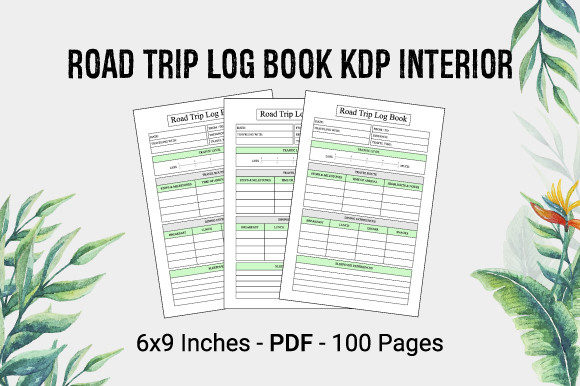
Road Trip Log Book Interior: A Practical Guide for KDP Publishers
The resurgence of analog travel documentation has created a significant opportunity in the self-publishing market. While digital apps dominate navigation, travelers increasingly seek tangible ways to record memories, track vehicle maintenance, and plan routes without screen fatigue. For creators in the Print on Demand (POD) and Amazon Kindle Direct Publishing (KDP) space, the Road Trip Log Book - Interior represents a high-utility asset that bridges the gap between creative expression and functional organization. This ready-to-use PDF solution eliminates the most time-consuming phase of book creation, allowing publishers to focus on niche marketing and cover design rather than layout engineering.
The Strategic Value of Pre-Made Interiors
Creating a low-content or no-content book from scratch requires more than just blank lines. A successful journal must possess an internal logic that guides the user. The primary value of a professional Road Trip Log Book - Interior lies in its pre-structured usability. When utilizing a 100-page template designed specifically for this niche, publishers are not merely selling paper; they are selling a curated experience. The interior acts as a silent co-author, prompting the user to record specific data points they might otherwise forget, such as odometer readings, campground coordinates, or fuel efficiency metrics.
For POD business owners, time is the most critical resource. Designing a consistent, bleed-corrected, and margin-safe interior can take dozens of hours. By leveraging a ready-to-use file, the production timeline shrinks from weeks to hours. This efficiency allows for rapid testing of different cover aesthetics across multiple niches—from vintage van life aesthetics to modern RV logistics—without reinventing the structural foundation each time.
Technical Specifications and KDP Compliance
Understanding the technical parameters of your digital assets is non-negotiable for avoiding printing errors and ensuring customer satisfaction. This specific Road Trip Log Book - Interior is engineered with precise specifications that align with industry standards.
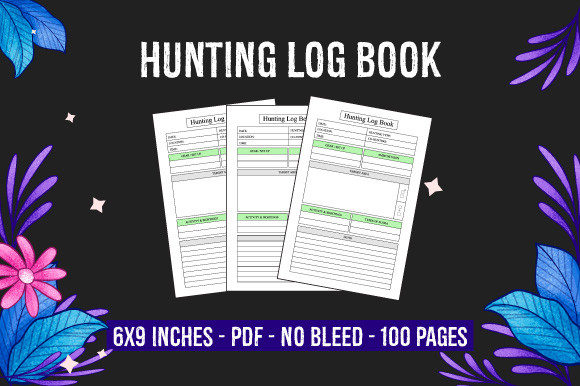
- Dimensions: The 6″ x 9″ trim size is the industry standard for travel journals. It offers the perfect balance between portability and writing space. Large enough to accommodate maps and detailed notes, yet compact enough to fit in a glove compartment, backpack, or console storage.
- Page Count: At 100 pages, the book provides substantial utility without becoming unwieldy. This length supports approximately 30 to 50 individual trip logs depending on the page allocation per entry, making it ideal for a single long vacation or a season of weekend getaways.
- Bleed Configuration: The "No Bleed" setting is a crucial feature for low-content books. It ensures that all text, lines, and graphics remain safely within the margins, eliminating the risk of content being trimmed off during the binding process. This safety margin is essential for maintaining a professional appearance and preventing rejected proofs.
- Resolution: High-resolution PDF files ensure crisp lines and legible text. Blurry interiors are the fastest way to accumulate negative reviews in the KDP ecosystem. Sharp vector-quality lines convey quality and justify a higher price point.
Anatomy of a Functional Travel Journal
To effectively market a Road Trip Log Book - Interior, one must understand what makes the pages useful to the end consumer. A superior interior goes beyond basic diary entries. It integrates various functional elements that cater to the specific needs of road trippers.
Essential Logging Sections
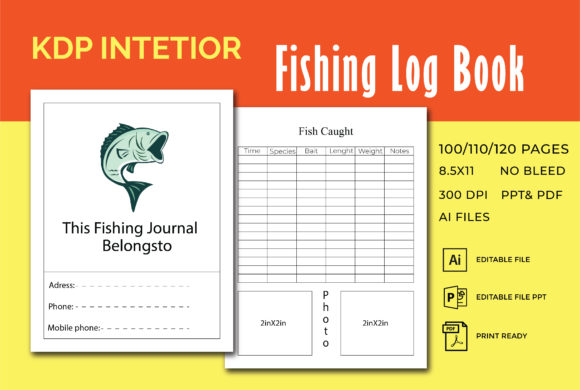
The core of the interior typically includes structured tables for daily tracking. These sections often prompt users to record departure and arrival times, weather conditions, and route highlights. Unlike a blank notebook, these prompts reduce the cognitive load of journaling after a long day of driving. Users are more likely to maintain the habit when the structure does the heavy lifting.
Vehicle and Budget Tracking
Practicality distinguishes a logbook from a diary. High-value interiors include dedicated spaces for expense tracking, fuel stops, and maintenance checks. For RV owners and van lifers, tracking gray water levels, tire pressure, and service dates is part of the lifestyle. Including these fields transforms the book into an essential operational tool rather than just a sentimental keepsake.
Memory Preservation Elements
While functionality drives the initial purchase, emotional connection drives word-of-mouth recommendations. Effective interiors provide open spaces for sketching, taping in receipts or postcards, and free-form writing. This hybrid approach satisfies both the analytical traveler who wants data and the creative soul who wants to capture the feeling of a sunset over the desert.
Identifying Your Target Audience
The versatility of the 6x9 Road Trip Log Book - Interior allows it to serve multiple distinct demographics. Successful publishers tailor their covers and keywords to specific sub-niches rather than targeting "travelers" broadly.
- The RV and Camper Community: This group requires detailed logging for vehicle systems and campsite reviews. They value durability and comprehensive data fields.
- Families and Road Schoolers: For families, the logbook serves as an educational tool and memory capsule. Interiors that include space for kids' drawings or "highlights of the day" appeal strongly to parents documenting family vacations.
- Motorcycle Tourists: Space is at a premium for motorcyclists. The 6x9 size is ideal for saddlebags. This audience prioritizes concise, efficient logging over extensive journaling space.
- National Park Enthusiasts: Travelers focused on park hopping need spaces to stamp passports, list trails hiked, and rate scenic viewpoints. Customizing the metadata to reflect outdoor exploration can significantly boost visibility.
Evaluating Suitability for Your Business Model
Before integrating this Road Trip Log Book - Interior into your catalog, consider how it fits your broader business strategy. Ready-to-use PDFs are excellent for scaling, but they require thoughtful differentiation.
Strengths and Opportunities
The primary strength is speed to market. You can launch a new product in days. Additionally, the standardized 6x9 size minimizes formatting headaches across different POD platforms if you choose to expand beyond Amazon. The no-bleed format also reduces proofing anxiety, making it an excellent entry point for beginners or a reliable backbone for experienced publishers expanding their travel niche portfolio.
Considerations and Limitations
Because ready-to-use interiors are accessible, competition can be high. To mitigate this, avoid using generic titles. Instead of "Road Trip Journal," opt for specificity like "Pacific Northwest Camping Log" or "Classic Car Restoration & Tour Diary." Furthermore, always review the license terms of any digital asset. Ensure you have the commercial rights to use the interior in unlimited publications and verify whether modification is permitted. Adding unique value through custom intro pages, branded checklists, or niche-specific tip sheets can elevate a standard template above competitors.
Best Practices for Implementation
Maximizing the potential of your Road Trip Log Book - Interior involves more than uploading a file. Consider these practical steps to enhance the final product:
- Cover-Interior Cohesion: Ensure your cover design reflects the interior's tone. A rugged, outdoorsy cover should not house a delicate, floral-lined interior. Consistency builds trust.
- A+ Content Visualization: Since customers cannot physically flip through the book, use Amazon A+ Content to showcase interior spreads. Highlight the specific features mentioned earlier, such as budget trackers or map spaces. Visual proof of utility converts browsers into buyers.
- Keyword Research: Align your backend keywords with the actual content of the interior. If the PDF includes camping checklists, ensure "camping checklist" appears in your metadata. Relevance improves search ranking and reduces return rates due to unmet expectations.
- Test Prints: Even with high-resolution, no-bleed files, ordering a physical proof is recommended. Paper weight and ink absorption can affect the user experience. Verifying that gel pens don't bleed through and that the binding allows the book to lay flat ensures quality control.
Final Thoughts on Digital Assets for POD
The Road Trip Log Book - Interior is a foundational tool for publishers looking to capitalize on the enduring appeal of travel journaling. By providing a professionally formatted, 100-page, 6x9 no-bleed PDF, this asset removes technical barriers and accelerates the publishing workflow. However, success in the KDP landscape ultimately depends on how well you connect this functional interior with the right audience through strategic niche selection and authentic marketing. When treated as a canvas for creativity rather than a finished product, ready-to-use interiors enable sustainable growth and diverse portfolio development in the competitive world of low-content publishing.