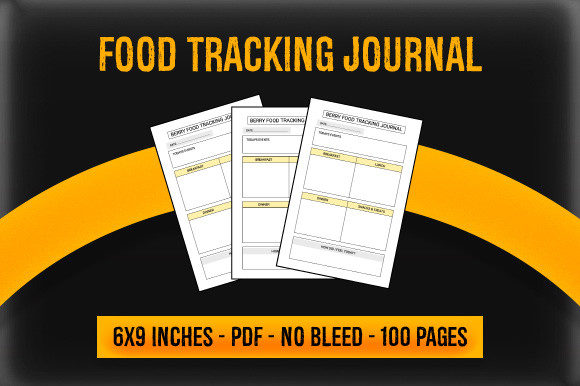
Food Tracking Journal: Ready-to-Use KDP Interiors
The health and wellness niche remains one of the most consistent performers in the self-publishing space, but saturation is a real challenge for new publishers. Success in Print on Demand (POD) and Amazon KDP no longer comes from uploading generic lined notebooks; it requires solving specific problems with functional tools. A food tracking journal serves as a practical instrument for accountability, dietary management, and health optimization. For creators and entrepreneurs, offering a high-quality, pre-formatted interior eliminates the steepest barrier to entry: design time. By utilizing a ready-to-use 100-page PDF template, you can shift your focus from pixel-pushing to market research, cover design, and strategic branding.
Why Functional Journals Outperform Generic Notebooks
Modern consumers are increasingly intentional about their purchases. They are not looking for blank pages when they search for nutrition-related terms; they are seeking structure. A dedicated food tracking journal provides immediate value by guiding the user through data collection that would otherwise feel chaotic. This utility drives higher perceived value and better customer retention compared to standard stationery.
From a business perspective, functional interiors create natural keyword opportunities. While "notebook" is impossibly competitive, long-tail phrases related to specific dietary needs, macro counting, or allergy logging have lower difficulty and higher conversion intent. When your interior actually facilitates these tasks, your book satisfies the user's search intent, which signals quality to Amazon’s algorithm. The 6″ x 9″ dimension included in this template is the industry gold standard for portable journals, striking the perfect balance between writing space and bag-friendly portability.
Technical Specifications That Ensure Publishing Safety
One of the most common reasons for KDP rejection or poor print quality is incorrect file formatting. This ready-to-use resource addresses those technical pitfalls upfront. The included high-resolution PDF files are formatted specifically for the 6″ x 9″ trim size with no bleed settings. Understanding bleed is critical for low-content books; while some journals require edge-to-edge printing, many structured trackers benefit from a clean margin that keeps content away from the gutter. This ensures that users never have to struggle to read or write near the spine binding.
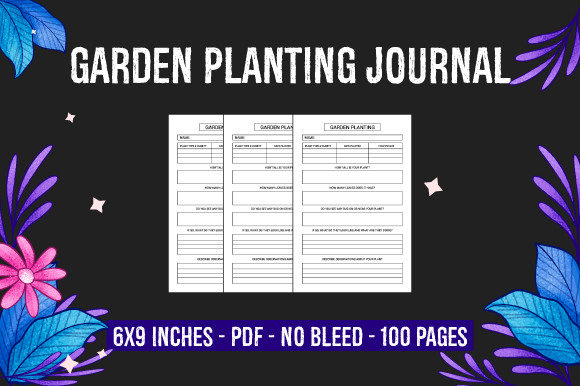
- Dimensions: Standard 6″ x 9″ inches, optimized for trade paperback distribution.
- Page Count: 100 pages, providing approximately three months of daily tracking or extended weekly reviews.
- Resolution: High-definition PDF ensuring crisp lines and text at any print size.
- Bleed Settings: Configured for no bleed, simplifying the upload process and reducing margin errors.
Diverse Applications Across Niches and Audiences
Versatility is key to maximizing the return on investment for digital assets. A well-designed food tracking journal interior is not limited to weight loss audiences. Professionals in various sectors can adapt this template to serve distinct micro-niches without altering the core layout.
Clinical and Therapeutic Use: Dietitians, nutritionists, and therapists often recommend food journaling to identify triggers for emotional eating or allergic reactions. A clean, professional interior allows practitioners to recommend your book as a supplementary tool during consultations. The structured format helps patients provide accurate data rather than vague recollections.
Fitness and Athletic Performance: Bodybuilders and endurance athletes track macros differently than someone managing diabetes. However, the fundamental need to log intake remains the same. By pairing this interior with a niche-specific cover—perhaps targeting keto, vegan, or paleo demographics—you transform a general tracker into a specialized performance tool.
Educational and Family Settings: Home economics educators and parents teaching children about nutrition can use these journals as interactive learning aids. The repetitive nature of the 100-page layout reinforces habit formation, making it an excellent resource for establishing healthy routines in younger demographics or classroom environments.
Strategic Advantages for POD Entrepreneurs
Time is the scarcest resource for independent publishers. Creating a compliant, aesthetically pleasing interior from scratch can take dozens of hours, especially if you lack advanced typography skills. Using a pre-made 100-page KDP interior compresses this timeline to minutes. This efficiency allows for rapid testing of multiple covers and keywords. In the POD business model, volume and variety often correlate with success. You can publish five variations of a food tracking journal in the time it takes to design one custom interior.
Furthermore, consistency builds brand recognition. If you plan to create a series of wellness journals, using standardized interiors creates a cohesive product line. Customers who appreciate the layout of your first book will trust the functionality of subsequent releases. This reliability fosters organic reviews and repeat purchases, which are vital for long-term sustainability in the KDP ecosystem.
Evaluating Quality and User Experience
Before publishing any pre-made asset, it is essential to evaluate its usability from the end-user's perspective. A beautiful layout that fails functionally will result in negative reviews. When assessing this food tracking journal template, consider the flow of information. Does the page allow enough space for detailed meal descriptions? Are there sections for water intake, mood, or supplements? The best interiors anticipate user needs beyond simple calorie counting.
Also, consider the paper limitations of POD platforms. Standard white paper has a degree of show-through. High-quality interiors account for this by avoiding heavy black backgrounds or dense ink coverage that could bleed through to the reverse side. The no-bleed configuration in this template typically utilizes lighter line weights and ample whitespace, which not only looks cleaner but also prevents printing defects that frustrate customers.
Maximizing Commercial Potential Through Customization
While the interior is ready-to-use, your commercial success depends on differentiation. Treat this PDF as a foundation rather than a final product. Consider adding a unique introduction, a personal note from a fictional or real expert persona, or bonus reference charts in the front matter. These small additions make your book proprietary and protect it from being identical to other sellers using similar templates.
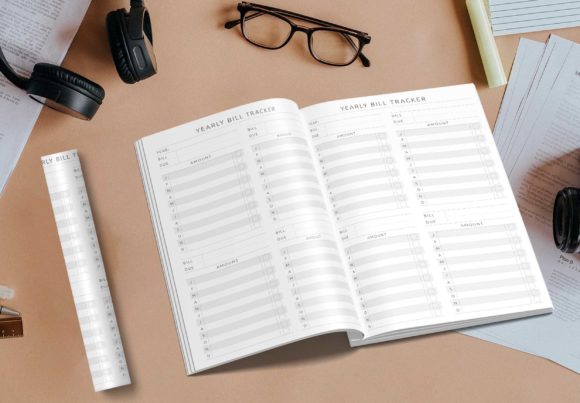
Marketing should also highlight the specific benefits of the interior. In your book description and A+ Content, showcase screenshots of the actual pages. Customers want to see exactly what they are buying before clicking purchase. Clearly labeling the dimensions and page count manages expectations and reduces returns. Emphasize that this is a physical tool designed for daily interaction, not just another notebook. By bridging the gap between digital convenience and physical utility, you position your food tracking journal as an essential component of your customer's wellness journey.
Ultimately, the value of this digital file lies in its ability to streamline production while maintaining professional standards. Whether you are a seasoned publisher expanding your catalog or a freelancer entering the wellness market, having a reliable, technically sound interior removes friction from the creative process. It allows you to focus on what truly matters in the current marketplace: connecting with a specific audience through thoughtful design and relevant content.