Interior - Crocheting Project Journal: A Ready-to-Use KDP Resource
The resurgence of fiber arts has created a unique intersection between traditional craftsmanship and modern digital publishing. For creators in the Print on Demand (POD) space, specifically those utilizing Amazon Kindle Direct Publishing (KDP), finding a niche that balances passion with utility is essential. The Interior - Crocheting Project Journal represents exactly this balance. It is not merely a blank notebook; it is a structured, ready-to-use PDF interior designed specifically for the crochet community. This resource eliminates the most time-consuming aspect of self-publishing—interior design—allowing publishers to focus on cover creation, keyword research, and marketing.
Understanding the specific needs of crocheters is what transforms a generic notebook into a valuable tool. When evaluating this 100-page KDP interior, it becomes clear that the layout addresses the practical pain points of tracking yarn projects. Whether you are a seasoned POD seller looking to expand your low-content catalog or a new publisher entering the craft niche, understanding the functionality and application of this digital asset is key to creating a product that genuinely serves the end user.
The Functional Anatomy of a Crochet Journal Interior
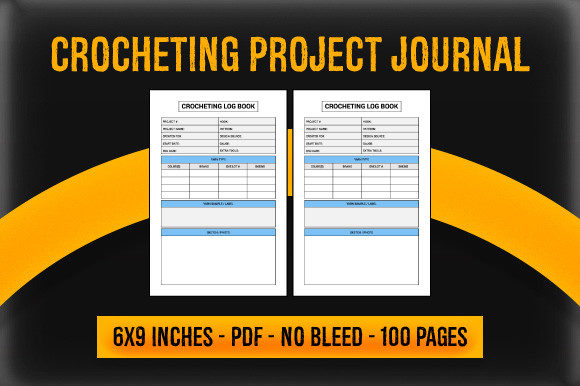
A successful low-content book relies entirely on the usability of its pages. The Interior - Crocheting Project Journal is formatted at 6″ x 9″ inches, which is widely considered the industry standard for portable craft journals. This dimension strikes an optimal balance; it is large enough to accommodate detailed notes and swatch sketches yet compact enough to fit inside a project bag alongside yarn and hooks. The file is provided as a high-resolution PDF with no bleed, ensuring crisp lines and text when printed through KDP’s standard black and white ink options.
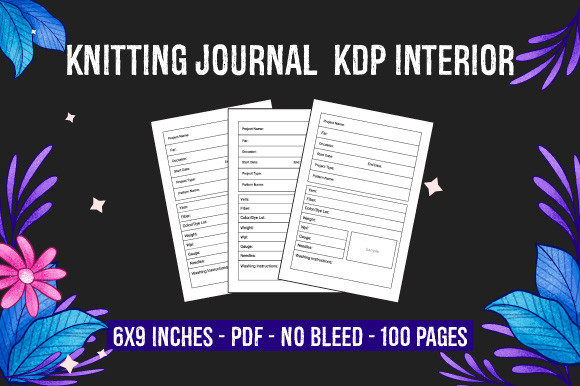
The 100 pages within this interior are not repetitive filler. Instead, they typically offer a variety of layouts that cater to different stages of the crocheting process. Users can expect dedicated sections for:
- Project Planning: Spaces to record pattern names, designers, difficulty levels, and intended recipients.
- Yarn Inventory Tracking: Fields for fiber content, weight, yardage, colorways, and dye lot numbers, which are crucial for ensuring consistency in larger projects.
- Gauge Swatch Logs: Areas to document hook size, tension, and measurements before and after blocking.
- Progress Trackers: Checklists or grid systems for monitoring complex repeats or row counts.
- Modification Notes: Ample lined or dotted space for recording alterations made to original patterns.
This structural variety distinguishes a specialized journal from a ruled notebook. By providing these specific frameworks, the interior adds tangible value to the final physical product, making it a "must-have" accessory rather than a discretionary purchase.
Streamlining the KDP Publishing Workflow
For business owners and creators, time is a finite resource. Designing a functional, aesthetically pleasing interior from scratch requires proficiency in software like Adobe InDesign or Affinity Publisher, alongside a deep understanding of print margins and safe zones. The Interior - Crocheting Project Journal serves as a turnkey solution. Because the file is pre-formatted to KDP specifications with correct margins and no bleed settings, publishers can bypass technical troubleshooting.
The workflow becomes remarkably efficient. After purchasing or acquiring the digital file, the publisher simply uploads the PDF to KDP, pairs it with a custom-designed cover, and proceeds to publication. This speed allows for rapid testing of market demand. Publishers can create multiple cover variations targeting different sub-niches—such as amigurumi makers, garment crocheters, or blanket enthusiasts—all using the same high-quality interior foundation. This scalability is vital for building a sustainable portfolio in the competitive low-content book market.
Who Benefits from Specialized Craft Journals?
While the immediate user of this article might be the publisher, the ultimate success of the book depends on the end consumer. Understanding who buys these journals helps in crafting better metadata and cover designs. The primary audience includes active crocheters who treat their hobby with a level of seriousness that requires documentation.
Garment Makers are perhaps the most critical demographic. Crocheting clothing involves significant investment in materials and time. These users need to track gauge meticulously and record modifications for future fit adjustments. A journal provides a permanent record that digital apps sometimes lack, especially when working in environments where screens are impractical.
Pattern Designers and Testers also benefit immensely. They require organized spaces to note stitch counts, sizing adjustments, and feedback during the testing phase. For these professionals, a physical journal often serves as a reliable backup to digital files and a place for brainstorming away from the computer.
Gift Givers and Hobbyists represent another significant segment. Many people crochet specifically for holidays or birthdays. Tracking deadlines, recipient preferences, and completed items helps manage the mental load of seasonal crafting. For this group, the journal acts as both a planner and a sentimental archive of handmade gifts.
Evaluating Suitability and Market Positioning
Not every interior suits every business strategy. When considering the Interior - Crocheting Project Journal, publishers must assess how it fits their brand. One strength of this specific 100-page format is its versatility. It avoids being overly prescriptive, allowing it to appeal to beginners and experts alike. However, publishers should be aware of limitations. As a no-bleed interior, the design elements must stay within safe margins. While this ensures printing safety, it means edge-to-edge graphics are not possible. Publishers must ensure their cover design complements this cleaner, more contained aesthetic.
Furthermore, because this is a ready-to-use file, differentiation must occur elsewhere. You cannot alter the interior pages themselves without violating licensing terms or compromising the file integrity. Therefore, value addition comes through the cover, the title, the subtitle, and the backend keywords. Successful publishers use this interior as a canvas for their marketing creativity rather than their graphic design skills.
Practical Applications and Real-World Scenarios
To visualize the utility of this product, consider the scenario of a crocheter attempting a complex cardigan pattern. Midway through the sleeves, they realize the armhole depth is too shallow. Without a journal, this realization might be lost or scribbled on a scrap of paper that eventually disappears. With the Interior - Crocheting Project Journal, they have a dedicated "Modifications" section. They record the exact row where changes were made and the new stitch count. Six months later, when making a matching sweater for a family member, they can reference this log to replicate the perfect fit immediately.
Another scenario involves yarn stash management. A crafter purchases hand-dyed yarn at a festival but doesn't start the project for two years. When they finally begin, they need to know if they bought enough skeins from the same dye lot. If they logged the purchase in their journal's inventory tracker, the answer is instant. This prevents the frustration of mismatched colors and wasted money. These real-world applications are what drive positive reviews and repeat customers in the KDP ecosystem.
Tips for Maximizing the Value of Digital Interiors
Acquiring the file is only the first step. To truly succeed with the Interior - Crocheting Project Journal, consider these practical guidelines:
- Verify Licensing Rights: Always confirm whether the license allows for commercial use on KDP. Ensure you understand if attribution is required or if there are limits on the number of publications.
- Create Niche-Specific Covers: Avoid generic "Crochet Journal" titles. Target specific aesthetics like "Boho Crochet Planner," "Vintage Stitch Tracker," or "Modern Amigurumi Logbook." The interior remains the same, but the packaging speaks to distinct tribes.
- Utilize A+ Content: Since customers cannot physically flip through the book, use Amazon A+ Content to showcase screenshots of the interior pages. Highlight the specific trackers and layouts mentioned earlier to demonstrate value visually.
- Bundle Strategically: Consider creating a series. If you have other compatible interiors (e.g., knitting or embroidery), cross-promote them. Customers who appreciate a well-structured crochet journal are likely to seek similar organization for other crafts.
- Monitor Feedback Loops: Pay attention to customer reviews regarding the interior layout. If users consistently mention wishing for a specific feature, note it for future product development or when sourcing new interiors.
Final Thoughts on Low-Content Craft Resources
The Interior - Crocheting Project Journal exemplifies how digital assets can bridge the gap between creative passion and entrepreneurial opportunity. By providing a professionally formatted, 6x9 inch, 100-page foundation, it removes technical barriers for publishers while delivering genuine organizational value to the crochet community. Success in this space is not just about uploading a PDF; it is about understanding the tactile, detailed nature of the craft and positioning the book as an essential companion to the yarn and hook. When approached with a focus on user experience and strategic marketing, this ready-to-use interior becomes more than just a file—it becomes a sustainable component of a thriving KDP business.