KDP Dot Grid Paper 63: A Practical Interior Asset for Low-Content Publishing
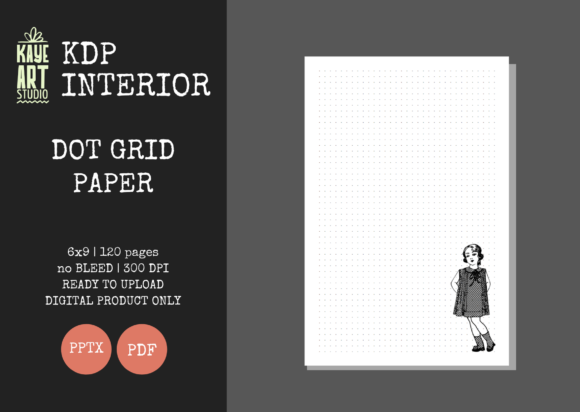
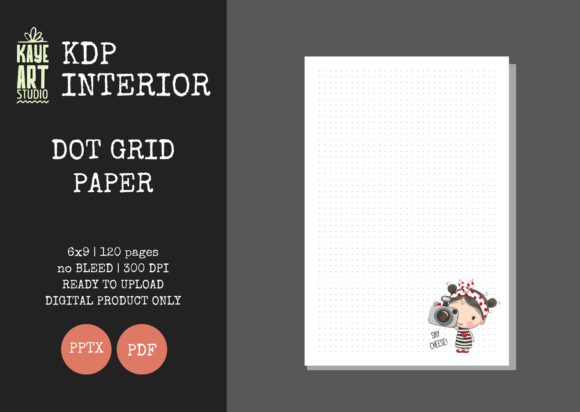
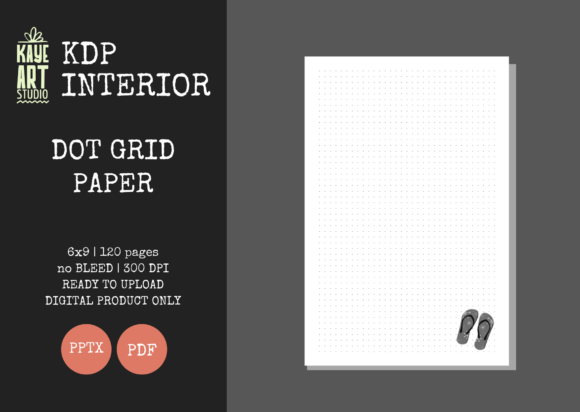
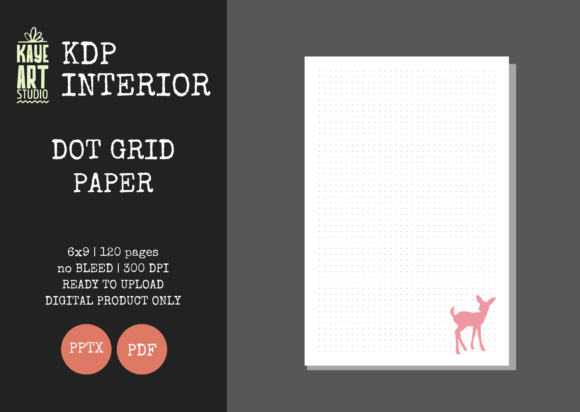
For publishers operating within the Amazon KDP ecosystem, the efficiency of interior file preparation often dictates overall profitability. KDP Dot Grid Paper 63 represents a specific utility asset designed to streamline this phase of production. Unlike generic templates found on free resource sites, this interior is engineered with precise technical specifications that align with current KDP printing standards. It serves as a foundational element for creators focusing on no-content and low-content books, specifically targeting the 6×9 inch trim size market. The value proposition here is not merely the dot grid pattern itself, but the pre-configured technical environment that reduces formatting errors and accelerates time-to-market.
Technical Specifications and Print Readiness
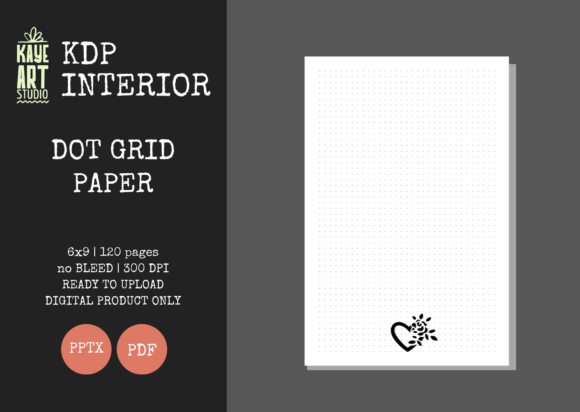
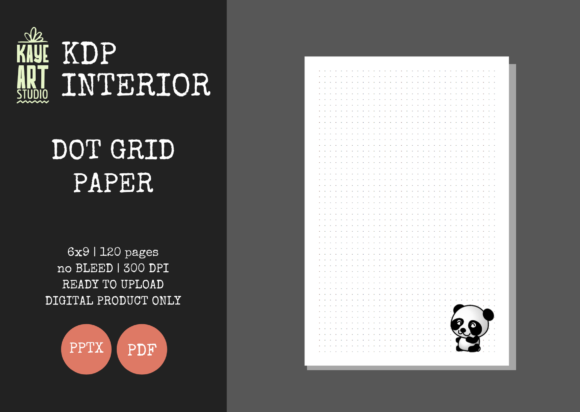
The primary advantage of utilizing a dedicated asset like KDP Dot Grid Paper 63 lies in its adherence to strict print parameters. This interior is configured for a 6×9 inch trim size with NO BLEED settings. This distinction is critical for new and experienced publishers alike. No-bleed interiors require precise margin calculations to ensure content does not drift into the gutter or get trimmed during the binding process. By using a pre-validated template, publishers mitigate the risk of rejection due to margin violations, which remains one of the most common hurdles in KDP publishing.
The file package includes both PDF and PPTX formats at 300 DPI. While PDF is the industry standard for final upload, the inclusion of an editable PowerPoint file adds a layer of operational flexibility. This allows publishers to adjust header/footer spacing, add branding elements, or modify the dot opacity without needing advanced graphic design software like Adobe InDesign. The 120-page count strikes a practical balance; it provides sufficient thickness for a perceived high-value journal while keeping page count costs low enough to maintain healthy royalty margins on paperback editions.
Evaluating File Quality and Usability
When assessing digital assets for commercial use, resolution and line weight are paramount. Low-resolution grids often appear pixelated or muddy when printed on standard KDP white paper. KDP Dot Grid Paper 63 maintains crisp definition at 300 DPI, ensuring the dots serve as functional guides rather than visual distractions. The dot weight is calibrated to be visible enough for alignment but subtle enough to prevent bleed-through when users employ gel pens or markers. This attention to detail directly impacts end-user satisfaction and review ratings, which are vital for long-term sales velocity.
The "tested on KDP" designation implies that the file has passed through Amazon’s automated previewer and validation checks. For publishers managing large portfolios, this reliability saves hours of troubleshooting. Instead of manually setting up master pages and checking safe zones for every new project, the workflow shifts to simple customization and upload. This consistency ensures that every book in a series maintains uniform internal dimensions, fostering brand recognition and customer trust.
Strategic Applications in Low-Content Publishing
Dot grid journals occupy a versatile niche between lined notebooks and blank sketchbooks. They appeal to a demographic that values structure without restriction. KDP Dot Grid Paper 63 is particularly well-suited for several specific sub-niches where functionality drives purchase decisions:
- Bullet Journaling: The core audience for dot grids requires consistent spacing for rapid logging, habit tracking, and migration. Standardized dot spacing in this template supports these methodologies without requiring users to draw their own layouts.
- Technical Sketching and Design: Architects, engineers, and UX designers often prefer dot grids for wireframing and prototyping because they provide scale reference without the visual noise of full graph lines.
- Math and Science Education: Students benefit from dot grids for plotting graphs and geometric constructions where axis alignment is necessary but rigid boxes are limiting.
- Mind Mapping and Brainstorming: Professionals and creatives use the open structure for non-linear note-taking, allowing ideas to expand organically across the page.
By leveraging this specific interior, publishers can create targeted products for these audiences rather than generic "notebooks." The editable nature of the PPTX file further enables niche adaptation. A publisher could easily add a "Project Tracker" header for engineering students or a "Daily Reflection" prompt for mindfulness journals, transforming a base asset into a specialized product with minimal effort.
Workflow Integration and Customization
Efficiency in KDP publishing is measured by the ratio of time invested to potential return. KDP Dot Grid Paper 63 optimizes this ratio by serving as a modular component. Publishers maintaining a catalog of journals can use this interior as a universal base, differentiating products solely through cover design and minor interior tweaks. This modularity is essential for scaling operations. Rather than designing unique interiors for every SKU, businesses can focus resources on market research, keyword optimization, and cover aesthetics—the factors that actually drive click-through rates.
The editable PowerPoint file deserves specific emphasis regarding workflow. Many KDP creators lack professional design training. PowerPoint offers a familiar interface for adding value-added content. Users can insert introductory pages, index tables, or instructional guides on how to use the journal effectively. These additions transform a commodity product into a premium offering. Furthermore, having source files means publishers are not locked into a single vendor’s ecosystem; they retain full control over their intellectual property and can migrate or modify assets as platform requirements evolve.
Considerations and Limitations for Publishers
While KDP Dot Grid Paper 63 offers significant advantages, objective evaluation requires acknowledging its boundaries. First, this listing is for INTERIOR ONLY. Publishers must possess or acquire separate cover creation skills. A high-quality interior cannot compensate for a poor cover; in fact, a mismatch between professional interiors and amateur covers can increase return rates due to unmet expectations. Ensure your cover design capabilities match the quality of this interior asset.
Secondly, the 6×9 no-bleed format, while popular, is not universal. Publishers targeting markets requiring larger formats (8.5×11) or full-bleed edge-to-edge printing will need alternative assets. Relying solely on one trim size limits market reach. Additionally, while the dot grid is versatile, it is not appropriate for all niches. Lined paper remains superior for traditional journaling and fiction writing, while blank paper suits pure artists. Market validation should always precede asset deployment; having a perfect interior file is irrelevant if there is no search volume for that specific journal type.
Finally, users should verify the dot spacing against their target audience's preferences. Standard bullet journal spacing is typically 5mm. If this template deviates from industry norms, it may affect usability for hardcore enthusiasts. Always order a physical proof copy before launching. Digital previews cannot replicate the tactile experience of writing on paper, and real-world testing is the only way to confirm that the dot opacity and spacing meet professional standards.
Assessing Long-Term Value and ROI
In the context of a KDP business, assets should be evaluated on longevity and reusability. Trends in cover design shift seasonally, but functional interiors remain evergreen. KDP Dot Grid Paper 63 falls into the latter category. Its utility is not tied to fleeting aesthetic trends but to fundamental user needs for organization and creativity. This makes it a durable investment for publishers building a sustainable catalog rather than chasing short-term fads.
The combination of print-ready PDFs and editable source files provides insurance against platform changes. Should KDP update its margin requirements or file specifications, having editable sources allows for quick adaptation without repurchasing new templates. This future-proofing is a subtle but significant factor in total cost of ownership. For serious hobbyists, freelancers, and small business owners treating KDP as a revenue stream rather than a lottery ticket, such operational stability is worth more than the initial acquisition cost.
Ultimately, KDP Dot Grid Paper 63 functions as a force multiplier. It removes technical friction from the publishing process, allowing creators to focus on market fit and product differentiation. Whether used as-is for rapid portfolio expansion or customized for niche authority building, it provides a reliable foundation for low-content publishing success. Publishers who integrate such standardized, high-quality assets into their workflows position themselves to compete effectively in an increasingly mature marketplace, where quality and consistency are the primary drivers of sustainable growth.