Food Allergy Tracker - KDP Interior: Streamlining Low Content Book Publishing
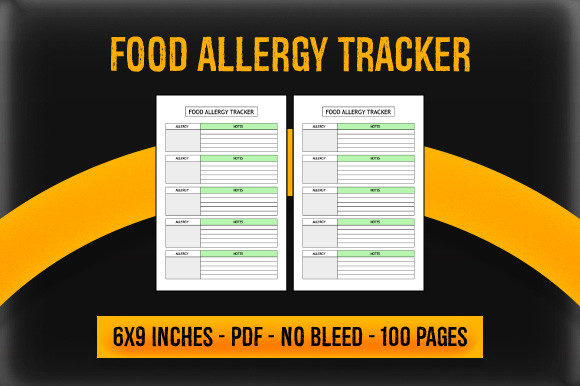
For self-publishers and digital product creators, the bottleneck is rarely the idea; it is almost always the execution. Creating a functional, high-quality journal interior from scratch requires significant time investment in layout design, margin calculation, and usability testing. The Food Allergy Tracker - KDP Interior serves as a foundational asset in the low-content publishing workflow, bridging the gap between market research and final publication. This pre-formatted 100-page PDF template allows entrepreneurs, educators, and health-focused publishers to bypass technical design hurdles and focus on niche positioning and marketing strategy.
This resource is specifically engineered for Amazon Kindle Direct Publishing (KDP) and other Print on Demand (POD) platforms. By utilizing a ready-to-use file with precise specifications, publishers can maintain consistency across their catalog while drastically reducing production time. Understanding how to integrate this asset into your broader business process ensures that the final product is not just a generic notebook, but a valuable tool for end-users managing dietary restrictions.
Technical Specifications and Platform Compatibility
Before integrating any interior file into a publishing workflow, verifying technical compliance is essential to avoid rejection or poor print quality. This specific Food Allergy Tracker template is designed with strict adherence to industry standards, ensuring seamless uploads across major POD services.
- Dimensions: 6″ x 9″ Inches. This trim size is the industry standard for personal journals and trackers. It offers enough surface area for detailed logging without being cumbersome to carry in a bag or store in a kitchen drawer. For publishers, this size also optimizes printing costs and royalty margins compared to larger formats.
- Page Count: 100 Pages. This length strikes a practical balance for user retention and spine width. A 100-page book typically generates a spine wide enough to allow for text placement if desired, distinguishing it from thinner pamphlets on the shelf. It provides approximately three months of daily tracking or six months of meal-based logging, which aligns with typical habit-formation cycles.
- Bleed Settings: No Bleed. The "No Bleed" configuration means all content sits safely within the margins, away from the trim edge. This is critical for functional books where writing space must be preserved. It simplifies the cover creation process, as you do not need to account for artwork wrapping around the edge, reducing the risk of alignment errors during printing.
- File Format: High-Resolution PDF. Vector-based or high-DPI raster interiors ensure crisp lines and legible text at any zoom level. Blurry tables or faint lines are common complaints in low-content book reviews; using a professionally formatted high-resolution source file mitigates this quality control risk.
Integrating the Template into Pre-Publishing Workflows
The value of a pre-made interior extends beyond simple convenience; it acts as a validation tool during the research phase. When evaluating potential niches within the food allergy or intolerance market, having a tangible product structure allows for faster competitive analysis.
Rapid Prototyping and Market Testing
Instead of spending weeks designing a custom interior for an unproven keyword cluster, use the Food Allergy Tracker template to create a minimum viable product (MVP). Upload the file with a test cover to gauge market interest through ads or organic search impressions. If the concept gains traction, you can then invest time in customizing the interior further. If it does not, you have lost only the time required to create a cover rather than an entire manuscript.
Cover Design Alignment
The interior dictates the cover design, not the other way around. Because this template uses a 6x9 no-bleed format, your cover design workflow becomes more predictable. You can set up your Photoshop, Canva, or InDesign templates with exact dimensions immediately. Knowing the interior contains structured tables and logs allows you to design covers that accurately represent the utility inside, managing customer expectations and reducing return rates due to misleading descriptions.
Functional Application for End-Users and Niche Positioning
To market this product effectively, publishers must understand how the end-user interacts with the Food Allergy Tracker during their daily routine. The interior is not merely blank paper; it is a structured data collection tool. Understanding these use cases informs better keyword selection and book description copywriting.
Dietary Management and Symptom Correlation
For adults managing IBS, Celiac disease, or multiple food allergies, the primary workflow involves correlating intake with physical reactions. The tracker facilitates this by providing dedicated spaces for meal ingredients, timing, and symptom severity. Publishers targeting medical or wellness niches should emphasize this analytical capability in their metadata. The book serves as a preliminary diagnostic aid that users can bring to dietitians or gastroenterologists, adding perceived value beyond a standard diary.
Elimination Diet Support
Elimination diets require rigorous adherence and documentation over specific periods, often 4 to 8 weeks. The 100-page count supports this specific temporal workflow perfectly. Marketers can position this journal as a "Complete Elimination Diet Companion," bundling it mentally with the specific protocol the user is following. This contextual relevance increases conversion rates compared to generic "food journals."
Parental and Caregiver Coordination
A significant segment of the buyer persona includes parents managing allergies for children or caregivers for elderly dependents. In this context, the tracker functions as a communication log between home, school, and medical providers. The standardized layout ensures that anyone picking up the book can quickly find relevant safety information. Highlighting this multi-user utility expands the target audience beyond individual sufferers to include family units and care teams.
Quality Control and Customization Strategies
While the Food Allergy Tracker - KDP Interior is ready to publish, successful sellers often implement a layer of quality assurance and light customization to differentiate their listing. Treating the PDF as a base component rather than a finished good allows for scalability while maintaining uniqueness.
Pre-Upload Verification Checklist
Even with professional templates, errors can occur during file transfer or platform updates. Implement a mandatory QC step before hitting publish:
- Digital Proof Review: Always download the digital proofer from KDP. Check the first and last pages specifically, as these are most prone to margin shifts.
- Gutter Safety Check: Verify that the inner margin (gutter) provides adequate white space for binding. With 100 pages, the paper stack thickness requires sufficient gutter allowance to prevent text from disappearing into the spine.
- Contrast Test: Print a single page on a standard home printer. Ensure table lines are dark enough to write over but light enough not to obscure handwriting. Screen brightness often deceives designers regarding print contrast.
Strategic Differentiation
To avoid competing solely on price with identical interiors, consider how this template interacts with other assets in your ecosystem. You might bundle the physical journal with a digital PDF guide on reading food labels, creating a hybrid product offering. Alternatively, use the consistent 6x9 no-bleed format to create a series: one tracker for allergies, another for diabetes, and another for general nutrition. Maintaining identical interior dimensions across a series streamlines your production pipeline and creates a cohesive brand aesthetic on your author page.
Long-Term Workflow Efficiency and Asset Management
Sustainable publishing businesses rely on systems, not sporadic effort. Incorporating standardized interiors like the Food Allergy Tracker into your asset library compounds efficiency over time.
Template Standardization
By committing to specific dimensions (6x9) and bleed settings (No Bleed), you reduce cognitive load and setup time for every future project. Your cover templates, ad creatives, and mockup generators remain compatible indefinitely. When you decide to expand into adjacent health niches, you can swap the interior PDF while keeping the rest of your production infrastructure intact. This modularity is key to scaling a KDP business without proportional increases in administrative overhead.
Version Control and Updates
Treat your interior files like software versions. Keep a master record of which PDF version corresponds to which live ASIN. If Amazon updates its printing specifications or if user feedback indicates a need for wider writing lines, update the master file and re-upload. Having a clean, organized file structure prevents the accidental publication of outdated or incorrect interiors, protecting your brand reputation and review scores.
Ethical Considerations and User Safety
When publishing health-related tools, responsibility is part of the workflow. While this tracker is a passive recording device, it operates in a sensitive domain. Ensure your book description clearly states that the journal is for tracking purposes only and does not constitute medical advice. Including a disclaimer page at the front of the interior (if the template allows or via KDP’s front matter options) adds a layer of professional integrity. This attention to detail signals to both the algorithm and the human buyer that the product was created with care and competence.
The Food Allergy Tracker - KDP Interior represents more than just 100 pages of tables; it is a streamlined solution for publishers seeking to serve a specific, high-need demographic efficiently. By understanding its technical parameters, respecting the end-user’s workflow, and integrating it into a systematic publishing process, creators can build sustainable assets that provide genuine value. Success in low-content publishing comes not from cutting corners, but from leveraging professional tools to deliver consistent, high-quality experiences that solve real problems. Whether you are launching your first health journal or expanding an existing catalog, this template provides the reliable foundation necessary for long-term growth.